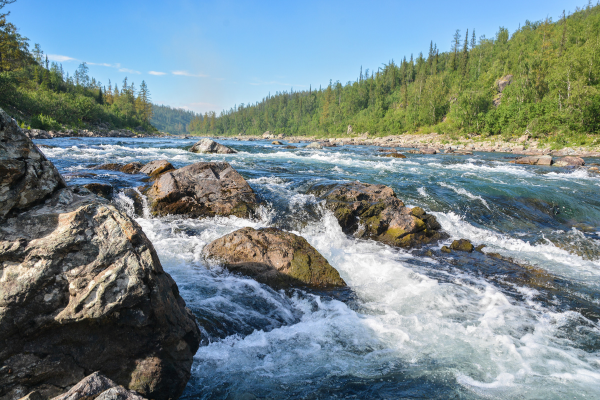


Rescue on the Franklin river in Tasmania, Australia.
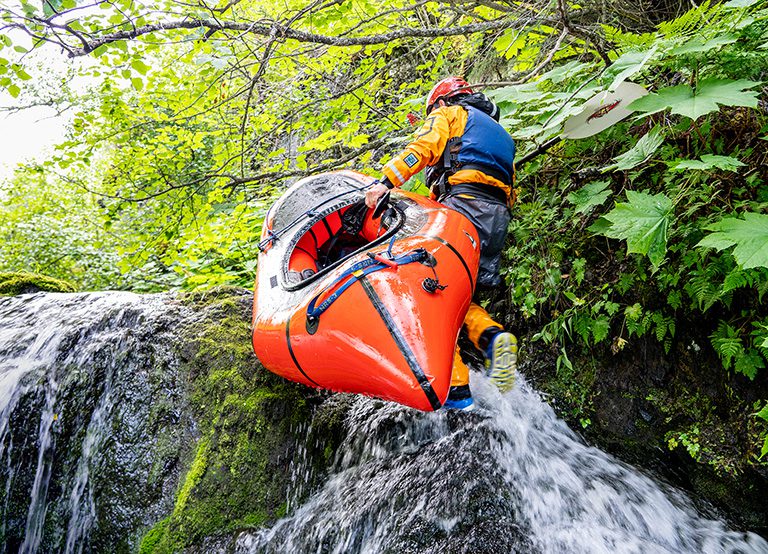
This is a fascinating case study with a good result of a river rescue; the man involved lived, though at significant cost.
Why am I posting this on a foot and ankle page?
Watch the video at the beginning of the report. The original incident was a small thing, a misstep and a fall. From there the dominoes kept falling until the end result had escalated by several orders of magnitude.
Walking along the river can be just as hazardous, or more so, as being in the river. Without proper foot protection risk of injury is markedly increased. Proper shoes help protect the feet from sharp rocks, trauma, and can increase traction and purchase. Kayaking, rafting, and packrafting are dynamic environments where feet need to function well. Improper foot protection increases not only your risk but limits your ability to help others in their time of need. If you become impaired that puts the rest of your party at increased risk as they care for you. Don’t be that person on the river wearing sandals, only neoprene socks, or going barefoot.
Features of a Good River Shoe:
• Sticky rubber on the sole. Some rubbers are formulated for better grip and traction on wet surfaces such as river rocks. Stealth rubber, originally from Five Ten which has since been bought by Adidas, has received high marks in the past for traction on wet river rock. Vibram Idrogrip, such as in the La Sportiva TX Canyon and TX Guide, is a newer rubber designed for wet rock surfaces. Siping, just like with car tires, can also increase traction in wet conditions. Siping is when many thin slits are cut into a rubber surface. This creates a greater number of edges from the sole making contact with the ground or weightbearing surface, increasing grip. Some river specific shoes, such as from Astral have siping incorporated into the sole during the manufacturing process. One can add siping to a sole after manufacture, though this will likely decrease its durability.
• Good drainage. Rapid evacuation of the water from the shoe helps keep shoes light and feet nimble. Water weighs 8.3 pounds to a gallon. A shoe or boot full of water sloshing around will act like an anchor, making swimming and walking more difficult. Good drainage helps flush out sand and fine gravel. This is an important consideration in the silt laden glacier runoff rivers here in Alaska. When portaging or hiking out from the river good drainage helps prevent chafing and blisters.
• Ankle support. Balancing on uneven wet rocks or hiking over rough terrain while carrying a boat or heavy load will make your ankles work harder. Ankle strengthening / rehab exercises and boots with ankle support, such as the La Sportiva TX Canyon, can help protect against ankle injury and sprain.
• Secure lacing. Shoe lacing which grabs the foot and couples it to the shoe is important. You do not want the shoe falling off or getting ripped off while swimming (we are all in-between swims).
• Size. The shoe should be sized to comfortably fit the layer combination you plan on using it with. You may need to size up in order to fit your foot, a wool sock, dry suit sock, and possible neoprene over booty all at the same time.
• Drying time. In an ideal world your river shoes will be able to dry overnight, so they are dry the next time you need to use them. This is not always realistic here in Alaska, but that moment in the morning when you put on a cold shoe still wet from the day before is not pleasant. Electric boot dryers fix this problem when at home but are not helpful in the wild.
Several factors played into the successful outcome (the man lived):
• Do not boat alone. By himself the outcome would have been very different.
• All boating partners should be trained in and practice swift water rescue techniques. Knowing what to do beforehand is key in making sure the correct steps are taken to make a bad situation better and not worse. Timing is often critical. Going for help may not be an option.
• Good communication. Without adequate communication with the outside world, search and rescue would not have been able to step in. Many areas of Alaska are quite remote and communication with the outside world is difficult. Satellite communicators such as InReach, ACR, or Zoleo devices and waterproof walkie talkies such as the Rocky Talkie Expedition Radio, or even satellite phones, are a good idea.
• Dress for the swim, not the float. Without the wet suit he would have succumbed to hypothermia much sooner. Dry suits are mandatory in Alaska. PFD, helmet, and shoes are also minimum standards.
Local Resources:
Triple Point Training with Luc Mehl
• Swift water safety and rescue, packrafting instruction, risk management and trip planning, ice safety and rescue courses.
Alaska Packraft School with Jule Harle
• Swift water rescue, packrafting instruction, and instructor courses in addition to guided trips.
Arctic Alaska Packrafting Instruction
• Swift water rescue and packrafting instruction courses.
The RescueCompany
• Swift water rescue, Ice rescue, and high and low angle rope rescue courses.
For a more technical writeup on the rescue from a SAR perspective by the Wilderness Medical Society check out: